Beyond the Build: Decoding the Strategic Patterns in April 2026's Data Center Boom
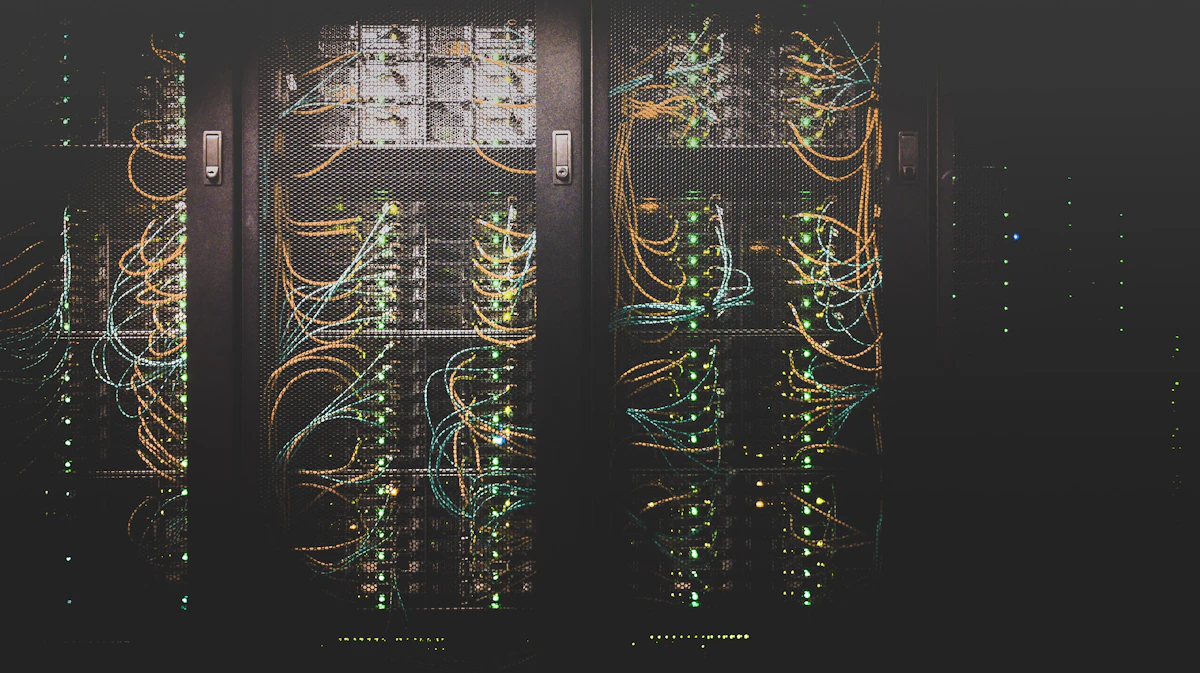
*Conceptual image of a global map with light pulses emanating from specific regions, overlaid with construction crane icons.*
Introduction: More Than a Monthly Roundup
The aggregate of data center announcements in April 2026 represents a strategic inflection point for the digital infrastructure sector. The reported activities—spanning new construction, facility expansions, and land acquisitions—extend beyond a simple monthly project roundup. The pattern reveals a mature industry executing a calculated, multi-phase preparation for the next compute demand cycle. This analysis moves beyond listing projects to decode the underlying geographic, economic, and logistical logic driving this concentrated wave of capital allocation and strategic positioning.
The Triad of Growth: Deciphering the Announcement Types
The announcements reported in April 2026 (Source 1: [Primary Data]) can be categorized into three distinct strategic moves, each with its own operational and financial rationale.
* New Construction: These greenfield projects target either underserved geographic markets or deploy next-generation architectural designs. Examples include facilities explicitly engineered for high-density AI workloads, incorporating direct liquid cooling and specialized power distribution systems from inception. These projects represent the most capital-intensive and forward-looking bets on new demand centers and technological paradigms.
* Expansions: Announced expansions of existing campuses are primarily an efficiency play. Developers leverage established utility contracts, pre-existing fiber network adjacency, and operational teams to scale capacity. This approach minimizes marginal cost and accelerates time-to-market for additional megawatts, indicating confidence in sustained demand within current strategic locations.
* Land Acquisitions: This category provides the most telling signal of long-term strategy. The acquisition of large land parcels, often with no immediate construction start date, signifies a shift from reactive development to anticipatory land banking. These transactions secure positions in strategic corridors with favorable power, connectivity, or policy outlooks, revealing planning horizons extending 5 to 10 years into the future.

The Hidden Economic Logic: Follow the Power and the Policy
The geographic distribution of April 2026’s announcements is not random. It follows a clear economic logic centered on two critical resources: power and policy.
A map of reported locations would show clustering around emerging "power corridors"—regions with advertised access to new renewable energy generation, promised grid stability upgrades, or available large-load interconnection queues. Simultaneously, these locations frequently correlate with jurisdictions offering substantive tax incentives, streamlined permitting processes, or other subsidies designed to attract digital infrastructure investment.
The scale of capital committed, as detailed in individual project reports (Source 1: [Primary Data]), indicates an expectation of robust return on investment. This capital allocation also reflects intense competitive pressure. Securing viable capacity ahead of rivals is now a strategic imperative, making early access to constrained resources like power and land a primary competitive differentiator.

The Deep Entry Point: Land Banking as a Canary for Supply Chain and Community Impact
The strategic land acquisition activity reported in April 2026 is the overlooked narrative with the most profound downstream implications. Large-scale, anticipatory land banking pre-empts the future supply of suitable plots, inevitably driving up land costs for later market entrants and potentially displacing other local industries.
This activity also serves as a leading indicator for projected strains on the broader supply chain. Securing land for potential 2028-2030 development implies an expectation of continued high demand for specialized construction materials, skilled labor for high-tech builds, and critical electrical components like transformers and switchgear. The land deal is the first domino in a long sequence of resource commitments.
Furthermore, these transactions, often conducted quietly, will have a deterministic impact on future community footprints. Land secured today will define the locations of future transformations in local tax bases, water resource utilization, and road and utility infrastructure demands for decades to come.

Verification and Context: Sourcing the April 2026 Activity
The foundational data for this analysis is derived from industry reporting, specifically the project tracking and announcements compiled by entities such as *Data Center Knowledge* and other trade publications throughout April 2026 (Source 1: [Primary Data]). These reports provide the essential factual matrix of companies, specific locations, project sizes in megawatts or square footage, investment amounts, and indicated completion timelines.
Cross-referencing these announcements with utility capacity reports, regional economic development filings, and land registry records provides the verification and deeper context necessary to move from a list of projects to an understanding of strategic intent. The absence of speculative quotes or promotional language in the source material reinforces the objective, transactional nature of the developments.
Conclusion: Preparing the Ground for the Next Compute Paradigm
The collective activity of April 2026 signifies an industry transition. The data center sector is evolving from a model of scaling in response to immediate demand to one of strategically preparing the physical and resource foundation for the next compute paradigm. The triad of new builds, expansions, and land banking represents a holistic approach to risk management and capacity assurance.
The logical deduction from this pattern points to several neutral predictions. Regional competition for energy and favorable policy will intensify. Supply chains for specialized construction will remain under pressure. The geographic map of digital infrastructure will become more defined by pre-emptive land banking in power-rich corridors. Ultimately, the announcements of April 2026 are less about the capacity needed for that year and more about securing the optionality and foundation required for the technological demands of the early 2030s.