Beyond the Game: How Stadium Data Centers Are Redefining the Live Event Economy

*Image: The modern stadium exterior symbolizes its evolution into a complex technology platform.*
Introduction: The Stadium as a Technology Power Plant
The architectural function of a stadium has fundamentally shifted. It is no longer a passive container for spectators but an integrated, high-performance technology platform. This transformation is powered by an unseen engine: the on-site data center. This infrastructure represents the critical foundation enabling new operational models and revenue streams for venue operators. Facilities like the 1,200-square-foot data center at Mercedes-Benz Stadium in Atlanta (Source 1: [Primary Data]) exemplify this shift from simple venue to computational hub. The core thesis is that this concentrated computing power is redefining the economic calculus of live events, moving beyond gate receipts to monetize data, latency, and digital experience.
The Dual Mandate: Operational Resilience vs. Experience Innovation
The stadium data center operates under a non-negotiable dual mandate. Its primary function is to ensure absolute reliability for core operational systems. These include point-of-sale networks, access control, and building management systems, where failure is not an option during an event with tens of thousands of occupants.
Simultaneously, the same infrastructure must serve a parallel, high-demand function: delivering high-bandwidth, low-latency applications for fan engagement and broadcast operations. This includes processing data for instant replay systems, powering augmented reality overlays for broadcast, and serving multi-angle streaming feeds to personal devices.
The economic logic is one of consolidation. By hosting both mission-critical operations and experience-driven applications on a single, scalable platform, stadium operators maximize the return on investment for the underlying infrastructure. This creates a unified technological backbone that is both resilient and capable of innovation.

*Image: The dual role of stadium infrastructure: ensuring operational control (left) and enabling fan-facing digital experiences (right).*
The Hidden Economic Engine: Monetizing Latency and Data
The technical specification of low-latency computing within the stadium has direct economic implications. Latency is transformed from a network metric into a product differentiator. Applications such as in-stadium sports betting, real-time fantasy stat overlays, and interactive AR experiences require near-instantaneous data processing to be viable. This capability allows venues and rights holders to create and monetize premium digital products that cannot be replicated by a standard broadcast or home viewing experience.
This represents a fundamental business model shift. The stadium's value proposition expands from the physical sale of tickets and concessions to include the monetization of digital experiences and data services. The infrastructure enables the collection and real-time processing of vast data sets—from concession purchase patterns to crowd movement—which can inform operational efficiency and targeted commercial offerings.
The long-term industry impact extends beyond the stadium walls. This trend drives demand in the supply chain for edge-computing hardware designed for high-density, low-latency environments, specialized cooling solutions for compact server racks, and the deployment of robust, high-capacity fiber networks in urban areas to connect these distributed edge nodes.

*Image: An abstract representation of the low-latency data flow that enables real-time fan engagement applications.*
Case in Point: Deconstructing the Mercedes-Benz Stadium Blueprint
The infrastructure at Mercedes-Benz Stadium provides a verifiable blueprint for this model. The scale of its deployment is indicated by its support for over 4,000 Wi-Fi access points and 2,000 IPTV screens (Source 1: [Primary Data]). This density reveals an architecture designed for extreme concurrent user load, anticipating significant data consumption per fan.
This infrastructure directly enables the listed applications: broadcast operations leverage the low-latency environment for real-time video processing; augmented reality graphics are rendered and served locally; and multi-angle streaming is distributed across the local network to prevent external internet congestion. The design's inherent scalability prepares the venue for future, unplanned demands, whether for new fan applications or increased broadcast technical requirements. The facility is engineered not for peak event-day load alone, but as a resilient, year-round operational hub.
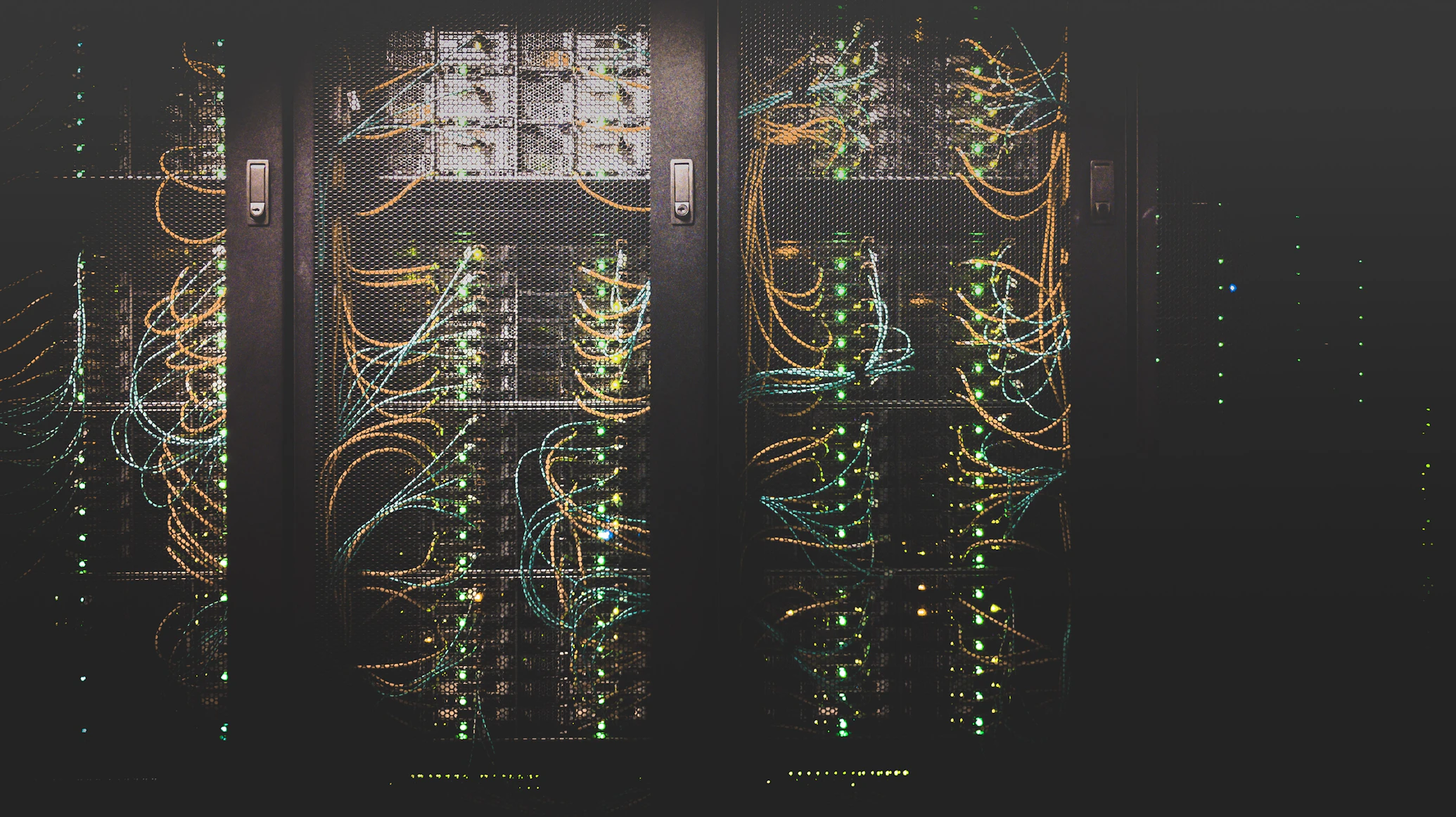
*Image: A modern data center aisle, representing the scaled, high-density computing required to power a major stadium's operations and experiences.*
The Future Stadium: A Year-Round Edge Computing Node
The logical progression points to the stadium evolving into a neutral host edge computing node. During non-event days, the excess computational capacity and connectivity infrastructure can be leased to third parties. This includes functioning as a hub for 5G and future 6G network densification, hosting edge servers for cloud service providers, or providing disaster recovery capacity for local enterprises.
This evolution transitions the stadium from a periodic revenue generator to a consistent, year-round asset on the digital infrastructure map. The business case for the capital-intensive data center build-out is strengthened by its ability to generate returns outside of the event schedule. It positions the stadium as a key piece of urban digital infrastructure, integral to smart city initiatives and regional connectivity.
The trend indicates a new standard for the entertainment and venue management industry. Future stadium designs will prioritize data center capacity and fiber connectivity with the same strategic importance as seating capacity or concession space. The venue that masters the integration of physical experience with digital performance will secure a sustainable competitive and economic advantage.
---
*Article composed based on provided technical specifications and strategic analysis. Core data points are annotated per source material.*